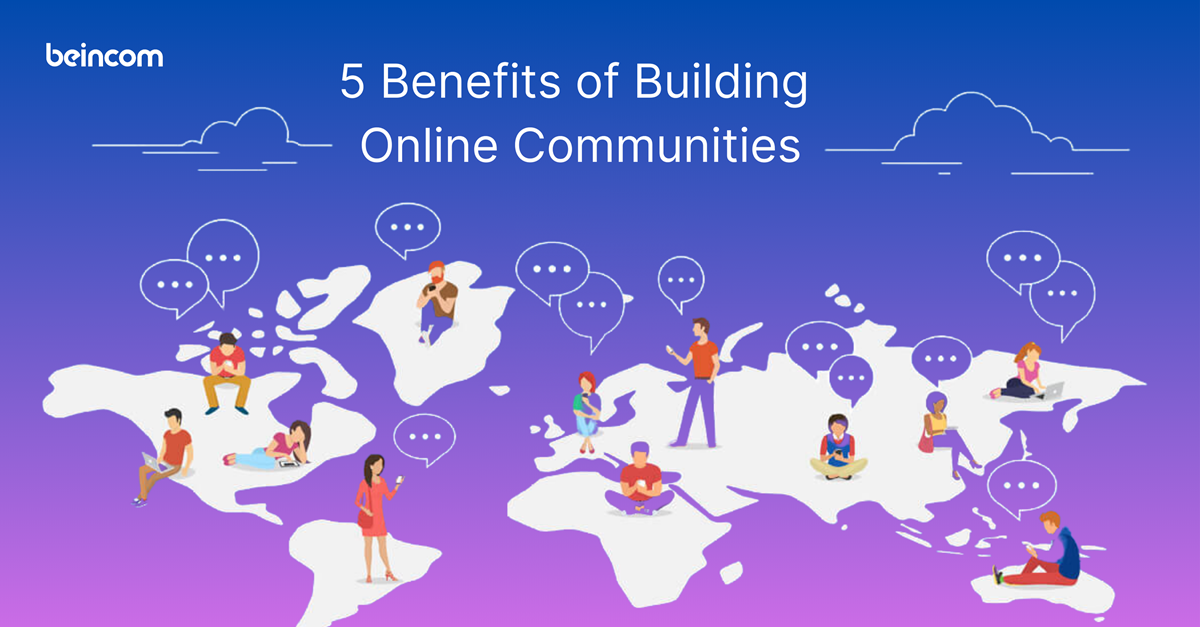

Building a successful online social community is becoming increasingly important in today’s digital world. It goes beyond being a space for people with shared interests; It also serves as a valuable tool for education, sharing, and self-help. This article will cover what makes up an online community, its benefits, and how to establish a successful one. You’ll also learn how to choose the right platform and create engaging content. Let’s dive into the world of online communities and discover their potential!
What is an Online Community?
An online community is a digital space where people with similar interests or shared problems gather. Members of such digital social communities are given an opportunity to connect, converse, share ideas as well as develop strong bonds. For instance:
- Travel enthusiasts: They congregate in searching and reviewing of new sites fascinated by the landscapes, cultures, and people they find.
- Daily writers: They come together with the aim of improving their writing skills, doing what they love most, which is creating content and sharing it.

It can be found in many forms such as forums, social media groups, email lists and others. Each platform, with their features, aims to serve users with different types of “safe zone” to connect with their communities. Acquiring knowledge about what constitutes an online community will enable you to actively participate in these platforms and take full advantage of them.
The Role of Online Social Communities
Communities on the internet are increasingly vital, connecting us with others who share our interests and passions, even across distances. They enhance our interactions by offering a space to share, learn, and support one another. For businesses, building an online social community boosts brand visibility and fosters customer retention, while also providing valuable feedback to improve products and services. Investing in an online community is a strategic move for any company aiming for sustainable growth.
5 Benefits of Building an Online Community
Building an online community has five benefits that may significantly improve the course of life for both individuals and businesses.

Enhancing connection and interaction
Building an online community creates a space for people to connect, engage, and share information with each other, regardless of geographical distance. Members of the community can easily discuss, exchange ideas, and support one another, fostering a strong and friendly interactive environment.
Establishing trust and credibility
When you build an online community, you have the opportunity to establish trust and credibility among its members. By providing valuable content, responding promptly, and maintaining a positive environment, you can build a trusting relationship with the members, thereby enhancing your credibility in the field or industry you are involved in.
Creating a platform for mutual support
Online communities are often places where members can seek help, receive advice, or share personal experiences. This not only helps in solving problems but also creates a sense of community, where everyone feels supported and connected to one another.
Knowledge and skill development
An online community is a great place for learning and development. Members share knowledge, learning materials, and discuss the latest trends in their field. These activities help everyone enhance their skills, stay updated with updated information, and gain access to diverse perspectives.
Boosting marketing and business development
Online communities provide an effective marketing channel, helping businesses directly reach potential customers and build lasting relationships with them. By participating and interacting in the community, businesses can introduce products, services, and receive customer feedback quickly. Furthermore, loyal customers within the community can become advocates, helping to spread the message and expand the business’s influence.
With high-end brands, having a loyal customer community is a strategic marketing movement. Belonging to an elite circle brings their customer a feeling of privilege, which is an essential selling point with the luxury market.
Types of an Online Community
Online communities can be categorized based on various criteria, reflecting their diverse nature and functions. From passion-driven interest groups to professional support networks, each type of online community provides distinct values and benefits. Here’s an overview of common types of online communities:
Interest-based communities
These are virtual platforms where people share similar activities like reading, watching movies, engaging in sports or even participating in other hobbies. By sharing common interests and discussing issues revolving around them, members of these interactive social media networks maintain good relations among themselves. Some fandoms can become very attached and powerful, just look at what Swifties make the industry do.

Professional communities
Such communities consist of experts specialized in one field or another such as software developers, graphics designers or marketing gurus. In this way, participants actively share information about their professions thereby fostering self-improvement and connections with other professionals which can be helpful for finding new job opportunities.
Support communities
Support oriented communities offer help on personal or professional matters. For example, mental illness support groups for beginners in various fields; customers’ service forums among others. These sites help people deal with life’s problems by giving them moral support.
Learning communities
Online learning communities emphasize the sharing of knowledge and educational resources. They may consist of students, teachers, or experts in a specific academic area. These communities facilitate continuous learning and personal growth through the exchange of information and educational content.
How to Choose the Right Online Community?
Choosing the correct online community can have a significant impact on your online experience and personal or professional growth. Here are some important tips that will help you make the best choice:
Define Your Objectives
Clearly articulate what you wish to attain prior to joining or creating an online community. Is it your intention to professionally network for job opportunities, find people that share the same hobbies as you, or get involved in specific conversations? Knowing what you aim at will enable you to identify a group with objectives matching yours.
Identify Your Interests
Look for communities centered on subjects or actions that sincerely excite you. Start with that. Whether it is a hobby, field of expertise, or a particular cause, becoming part of a community that resonates with what makes you passionate ensures maximum participation and commitment from your side.
Assess Community Engagement
Evaluate the extent of activity and involvement in the group. You should be an active, positive member who starts or joins discussions within the community. A lively online space where there are active discussions, posts being made regularly and membership participating is much more likely to provide an enriching experience than one which has become stagnant.
Check for Quality of Content
Pay attention to what kind of information is being spread and discussed. Valuable materials should be available in any good community facilitating meaningful communication and filled with only positive vibrations.
Also, fake news and toxic contents could go viral quickly within a community. As a consumer, you must be well-aware about this and carefully “filter” what you read and watch. Stay calm, wise and positive.
Evaluate the Platform
Different platforms offer varied features and tools. Choose a platform that fits your preferences and needs—be it a social media site, a forum, or a specialized app. Ensure it supports the kind of interactions and functionalities you’re looking for.
How to Create an Online Community?

To create an online community, follow these steps:
- Identify your goals and target audience
- Choose a platform for your community.
- Develop a content strategy.
- Start promoting your community.
- Encourage participation.
- Manage conflicts and moderate conversations.
Characteristics of Successful Online Communities
A successful online community is not just defined by its number of members but also by the characteristics that promote effective connection and interaction. Understanding what an online community truly entails involves recognizing these key elements:
Engagement and Assisting
A successful online community often stands out by the level of its members’ engagement and support. This is not only measured in terms of numbers of posts and comments but also in how well it addresses issues, answers questions, shares knowledge or even encourage others. By so doing, this provides an opportunity for people to be supported by their peers which bring about a sense of belonging that brings a life closer together through positive environment.
Multiple Features
Successful online communities are characterized by diversity in activities and interests. Simply put, such a community does not concentrate on one area but embraces different aspects related to the major topic. For instance, within a health community there can be discussions about nutrition, exercise routines as well as matters pertaining mental health. It makes the group lively by applying several dimensions in discussions that keep them interesting enough to retain the attention of its members.
Shared Purpose
In the success of an online community, a shared purpose is very important. Members of an online community should know that their main values and goals are the same. This leads to agreement between members and motivation in them alongside developing their connections. Community activities are enhanced by having a purpose that is both clear and meaningful which encourages like minded people to join.
Moderation
Modest moderation is crucial for ensuring an online community remains healthy and safe. There have to be strict rules and standards as far as the management of the community is concerned. Orders can be kept through moderators who resolve conflicts, prevent inappropriate behavior, and maintain orderliness among others. A good moderation tool helps in creating an enabling atmosphere where each member can feel free from any form of discrimination or insecurity.
Key Features That an Online Community Should Have
User-Friendly Interface
A user-friendly interface is vital for ensuring that members can easily navigate and interact within the community. The design should be intuitive, with clear menus, accessible features, and a responsive layout that adapts to different devices.
Effective Communication Tools
Communication is at the heart of any online community. Essential tools include discussion forums, private messaging, group chats, and notifications. These features help members stay connected and engaged, facilitating meaningful interactions.
Flexible Communities and Groups
A community is formed by members who share some common interests and needs, yet they still stay different when it comes to content-consuming. In a community, creating inner groups will help you organize people and content effectively.
For example, in a large company, there can be subgroups for different departments such as marketing, product development, and human resources. Employees in each department can discuss topics relevant to their work without interrupting other departments, while still having access to the company’s general information.
Customizable Profiles and Member Management
Allowing members to create and customize their profiles helps in building a sense of identity and belonging. Additionally, robust member management features, including role assignments, access controls, and moderation tools, ensure smooth community operations.
Content Management and Sharing
Effective content management tools enable members to create, share, and organize content such as posts, articles, and multimedia. Features like tagging, categorization, and search functionality enhance content discoverability and relevance.
Community Analytics and Insights
Analytics tools provide valuable insights into community engagement, member activity, and content performance. These insights help community managers make data-driven decisions to improve and grow the community.
Accessible on web, iOS, and Android apps
Ensure your community is accessible not just through a website, but also through dedicated iOS and Android apps. People can’t always rely on a PC to log in, and mobile apps provide a smoother, more reliable experience than just a responsive web app.